DIY website builder or a professional? An honest comparison


We build websites for a living, so you would expect us to tell you to hire a professional. Here is the honest version instead: sometimes the do-it-yourself builder is the right call, and anyone who tells you otherwise is selling something.
The real question is not which option is better. It is which option is better for where your business is right now. This is how we would decide.
When DIY is the right call
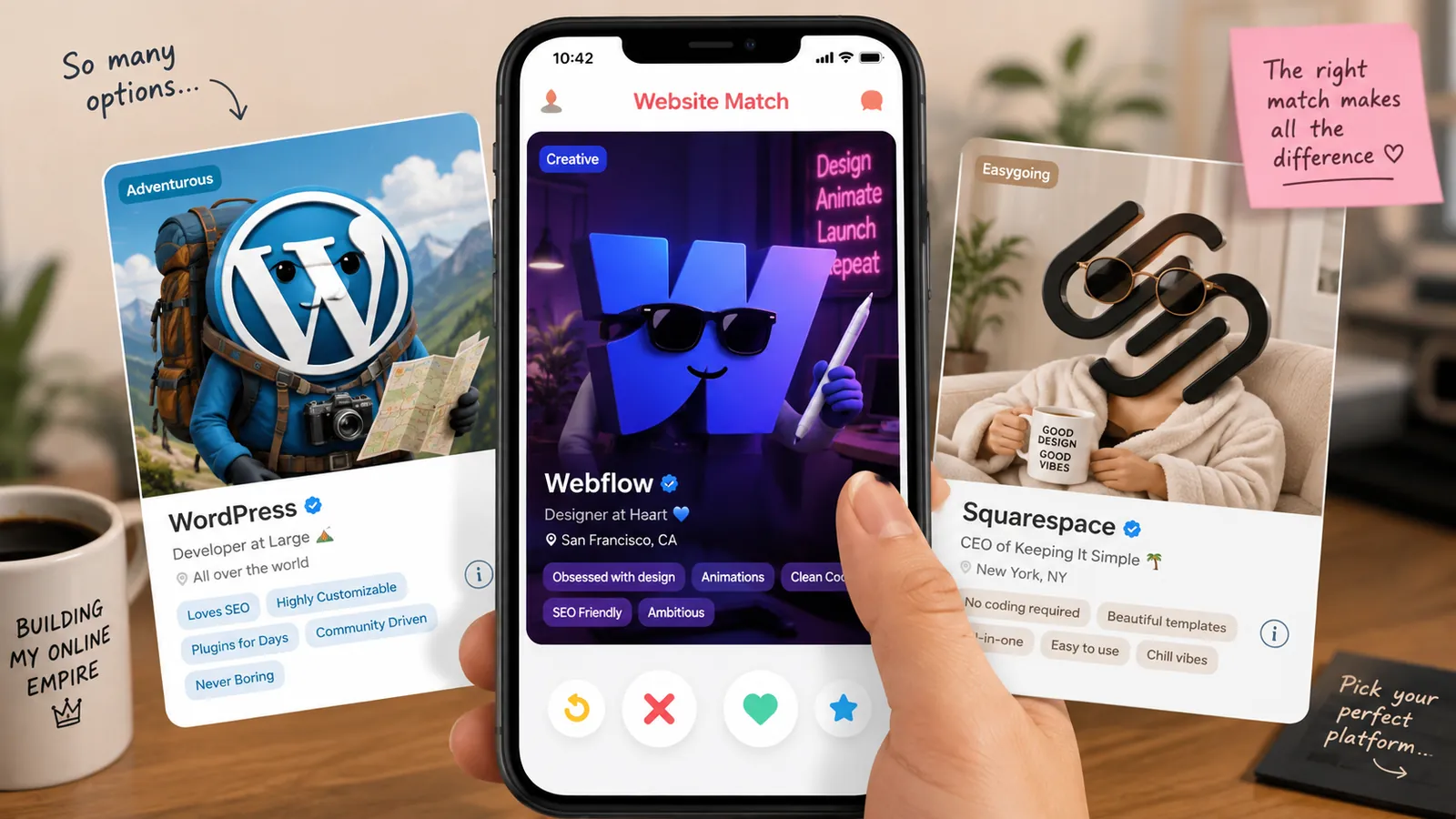
Website builders like Wix, Squarespace and Shopify's own themes exist for good reasons. Pick one when these sound like you.
- You are testing an idea. No revenue yet, no proof people want it. Spend a weekend and thirty euros a month, not thousands.
- You need a simple presence. A few pages that say who you are, what you do and how to reach you. Builders do this well.
- Budget genuinely is not there. A decent DIY site beats no site, and it definitely beats a cheap outsourced one from a template farm.
- You enjoy the work. Some owners like tinkering with their site. If that is you and the hours are there, that counts.
What DIY actually costs
The subscription is the small part. The real costs sit elsewhere. Your evenings, first of all: the tenth hour of fighting a template is an hour not spent on customers. The template look, second: your site resembles a thousand others, because it is a thousand others. And the ceiling, third: less control over speed, structure and the technical details that decide rankings once you compete for anything beyond your own name.
None of that is fatal for a starting business. All of it starts to bite once the website becomes the thing that brings in customers.
When a professional pays for itself
The switch point is when your site stops being a business card and starts being a salesperson. If leads, bookings or orders come through the site, then speed, conversion and findability turn into money, and the gap between a template and a built-for-you site compounds every month.
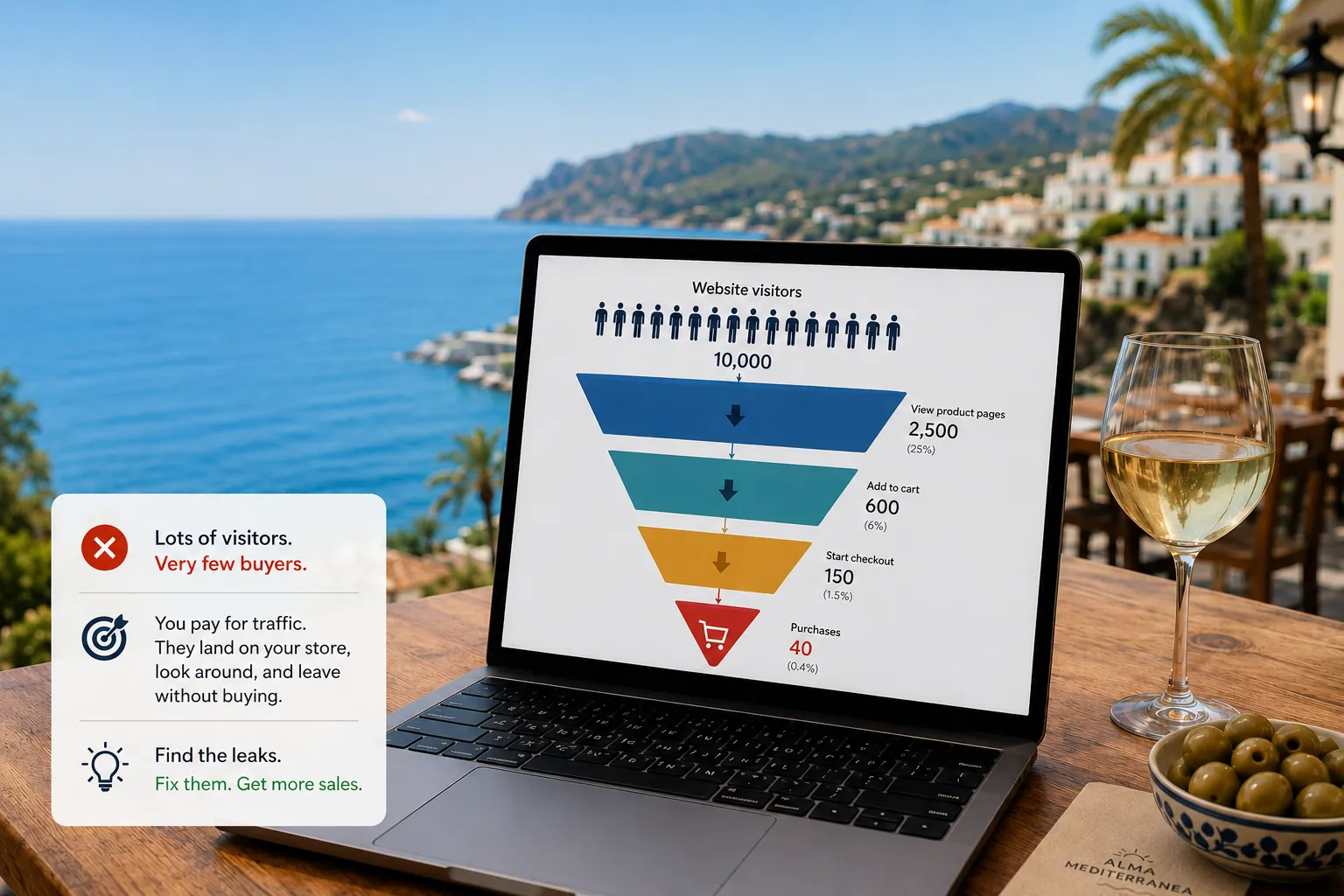
A professional build earns its price in the details a builder hides from you: pages structured around the searches your customers use, load times that keep visitors, conversion paths designed instead of defaulted, and tracking that tells you what works. That is the difference between a site that exists and a site that performs; the leaks we listed in why sites get traffic but no sales are mostly defaults nobody questioned.
Our own line: most sites we build land between 1,500 and 5,000 euros, fixed price agreed up front. If a builder serves you better for now, we say so in the intro call; see how we work on the web design service page.
The honest middle path
Plenty of our clients started on a builder, and that was the right order. Validate first, invest when the numbers say so. The move later is a rebuild with a proper migration; done carefully, you keep everything you earned, as covered in our redesign checklist.
One habit makes that future move painless: own your domain and keep your content somewhere portable. The address you print on cards should be yours, whatever platform sits behind it.
The scenario cheat sheet
- Testing a business idea: builder, cheapest plan, one weekend.
- Local service business, first site: builder is defensible; a focused professional one-pager like the Golden Ink build wins the local search fight.
- Restaurant or salon living on bookings: professional; every lost booking costs more than the site did. See what restaurant sites need.
- Webshop past its first sales: professional, because conversion and speed are the whole game.
- Running ads at any budget: professional pages; paid clicks landing on a template leak money.
Frequently asked questions
How much does a professionally built website cost?
For most small businesses a complete custom site lands between 1,500 and 5,000 euros, depending on pages, design work and functionality like booking or e-commerce. Builders cost 10 to 40 euros a month. The honest comparison includes your own hours: forty evenings of DIY is not free.
Can I start with a website builder and switch later?
Yes, and it is often the right path. Validate the business first, invest when revenue arrives. Moving later means a rebuild and a proper migration of your content and any rankings you earned; our redesign checklist covers how that works without losing SEO.
Will a DIY website hurt my Google rankings?
Not automatically. Builders handle the basics fine. The limits show at the edges: less control over speed, structure and technical details, which matters once you compete for harder search terms. For a local business with light competition, a well-filled builder site can rank fine.
How long does each option take?
A builder site can be live in a weekend if you keep it simple. A professional build typically runs four to eight weeks, mostly because of content, photography and revisions rather than the building itself.
Want a site that earns its keep?
We build fast, conversion-focused websites for small businesses, and we are honest about when you do not need us yet.
See our web design service